 Kairosafe presenta LAL, il test che permette di rilevare e quantificare le endotossine batterich
Il LAL test (Limulus Amebocyte Lysate) o BET (test delle endotossine batteriche), è un metodo essenziale per garantire la sicurezza di farmaci iniettabili, dispositivi medici, acque di dialisi e altri prodotti destinati a somministrazione intratecale. Il LAL test permette di rilevare e quantificare le endotossine batteriche, componenti della membrana dei batteri Gram-negativi, che possono provocare gravi conseguenze alla salute.
Il LAL test viene eseguito grazie alla combinazione di reagenti specifici, consumabili certificati apirogeni e strumentazione dedicata: sinergia che garantisce risultati affidabili e riduce al minimo il rischio di contaminazioni.
Il reagente tradizionale è il lisato di amebociti del Limulus polyphemus, estratto acquoso che reagisce con le endotossine batteriche innescando una cascata enzimatica che lo porta alla coagulazione. Il reagente noto come “gel-clot” ha un utilizzo molto diffuso e permette di eseguire il test senza strumentazione sofisticata, sebbene a condizioni controllate e seguendo metodiche ben descritte e consolidate. Il reagente può avere sensibilità 0,03 – 0,06 – 0,125 – 0,25 EU/ml, offrendo 4 soglie di accettabilità. D’altro canto, il reagente LAL nella versione quantitativa permette di eseguire il test cinetico-turbidimetrico o cinetico-cromogenico che, con l’ausilio di un lettore-incubatore e di un software dedicato, danno risultati di tipo quantitativo.
 Reagente LAL ricombinante
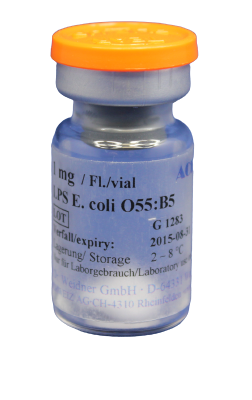
L’evoluzione scientifica ha portato anche allo sviluppo del reagente LAL ricombinante, soluzione sostenibile che garantisce la stessa sensibilità del test tradizionale, senza sfruttare derivati di origine animale. L’innovativo reagente cinetico mantiene la capacità di rilevare endotossine con precisione, sfrutta la medesima cascata enzimatica e riduce le interferenze con altre sostanze come i 1,3-β-D-glucani. Sia i reagenti tradizionali descritti che il ricombinante sono di marchio Associates of Cape Cod (ACC).
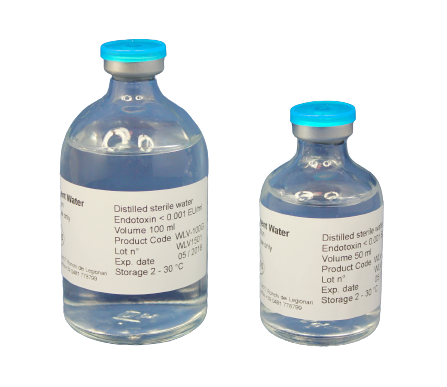
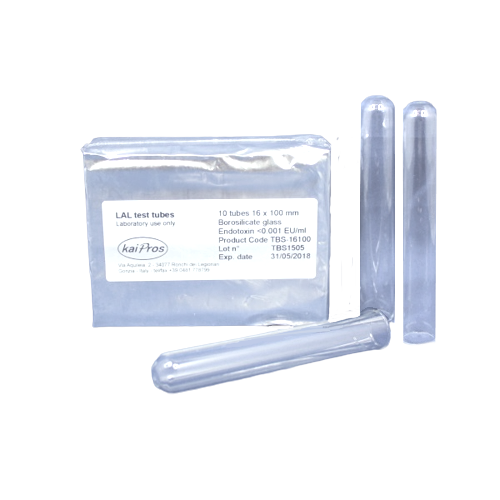
Per eseguire correttamente il LAL test non bastano solo i reagenti: sicurezza e affidabilità dipendono infatti anche dall’uso di consumabili rigorosamente certificati apirogeni, come l’acqua LAL e le provette Kaipros, e dalla strumentazione dedicata.
Naturalmente l’accuratezza del test non dipende unicamente da questi strumenti, il LAL test richiede infatti un training accurato e l’implementazione di procedure che includono la validazione dell’operatore, la convalida dei lotti di reagente, la caratterizzazione dei prodotti sotto analisi e la definizione di test di routine, assicurando che ogni risultato sia affidabile e conforme agli standard di qualità.
Per info visita www.kairosafe.it
LAL test – bacterial endotoxin test
Kairosafe presents LAL, the text that allows detecting and quantifying bacterial endotoxins
The LAL (Limulus Amebocyte Lysate) test, or BET (Bacterial Endotoxin Test), is an essential method for ensuring the safety of injectable drugs, medical devices, dialysis water, and other products intended for intrathecal administration. The LAL test allows for the detection and quantification of bacterial endotoxins—components of the cell membrane of Gram-negative bacteria—which can cause serious health consequences.
The LAL test is performed using a combination of specific reagents, certified pyrogen-free consumables, and dedicated instrumentation; this synergy ensures reliable results and minimizes the risk of contamination.
The traditional reagent is a lysate of amebocytes from *Limulus polyphemus* (horseshoe crab)—an aqueous extract that reacts with bacterial endotoxins, triggering an enzymatic cascade that leads to coagulation. The “gel-clot” reagent is widely used and allows the test to be performed without sophisticated instrumentation, provided that it is conducted under controlled conditions and follows well-established, clearly defined methodologies. The reagent is available with sensitivity levels of 0.03, 0.06, 0.125, or 0.25 EU/ml, offering four distinct acceptance thresholds. Alternatively, quantitative versions of the LAL reagent enable kinetic-turbidimetric or kinetic-chromogenic assays; when used with an incubator-reader and dedicated software, these methods provide quantitative results.
 Recombinant LAL reagent
Scientific evolution has led to the development of the recombinant LAL reagent—a sustainable solution that offers the same sensitivity as the traditional test without relying on animal-derived components. This innovative kinetic reagent retains the ability to precisely detect endotoxins, utilizes the same enzymatic cascade, and reduces interference from other substances, such as 1,3-β-D-glucans. Both the traditional reagents and the recombinant version are provided by Associates of Cape Cod (ACC).
Performing an LAL test correctly requires more than just the reagents; safety and reliability also depend on the use of consumables, such as LAL-grade water and test tubes from Kaipros—that are strictly certified as pyrogen-free, as well as specialized instrumentation.
Naturally, the accuracy of the test does not rely solely on these tools. The LAL test requires thorough training and the implementation of robust procedures, including operator qualification, validation of reagent lots, characterization of the products being analyzed, and the establishment of routine testing protocols—all of which ensure that every result is reliable and compliant with quality standards.
For more information, visit www.kairosafe.it